
firestarters arcade mode: Unlocks and Score Runs
Explore firestarters arcade mode, how Story Storms unlock score attacks, what the leaderboards track, and which scoring details still need confirmation.
Source-backed research summary. Reviewer observations are attributed; unverified details are marked pending confirmation.
On this page
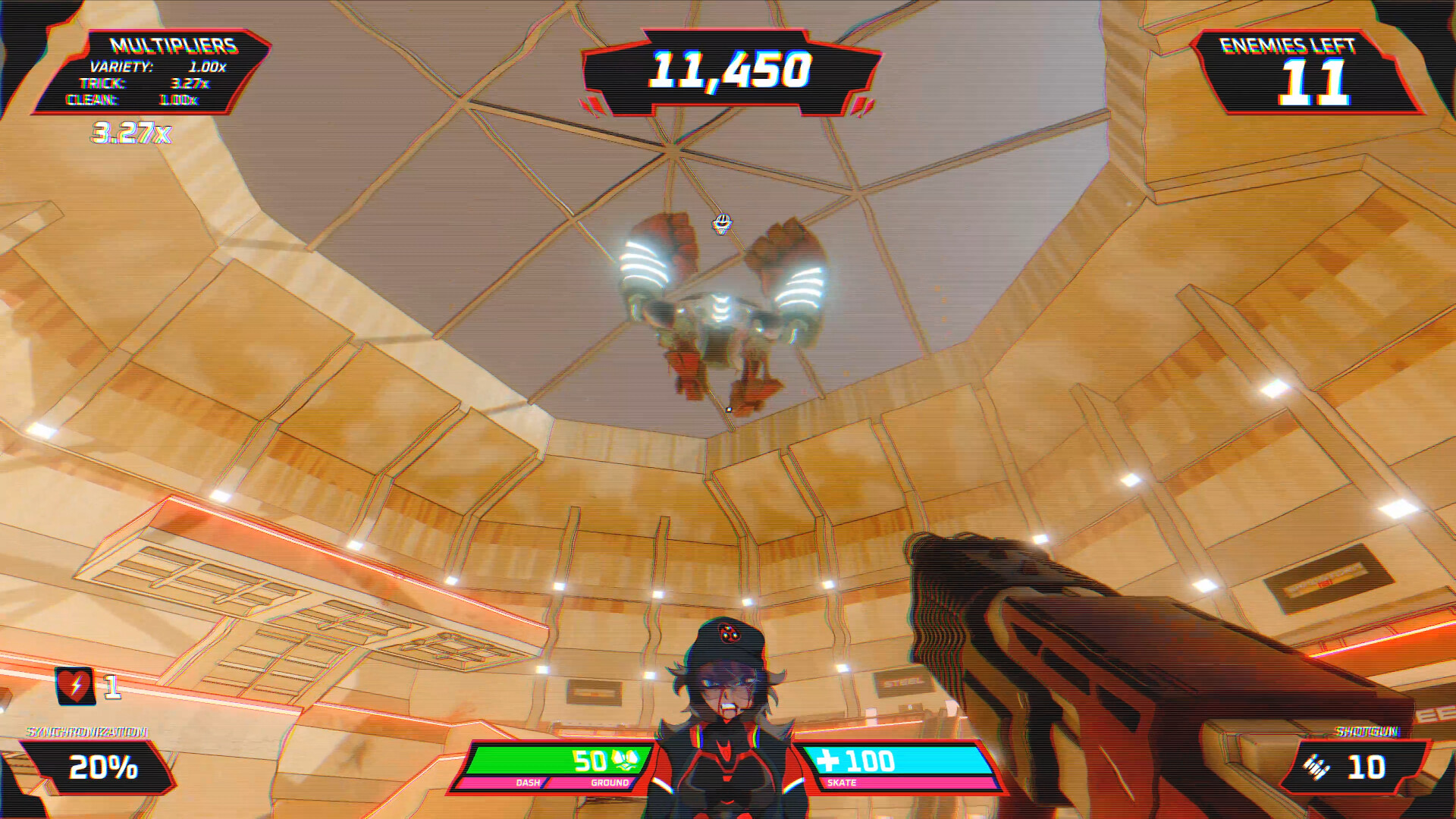
How Arcade Mode unlocks
FIRESTARTERS Arcade Mode unlocks completed Story Mode Storms for official high-score attempts, with personal bests, Steam friends, and global leaderboards. The official Steam description gives the relevant condition: finish a Storm in the story before returning to that encounter in Arcade. This is the confirmed progression rule as checked on November 3, 2026, so a new player should begin with Story rather than expect every score challenge to be immediately selectable.
The wording describes completion of an individual Storm, rather than a requirement to finish the entire planned game. Episode One is the current Early Access release and includes the opening Story content alongside unlockable Arcade play. The available evidence does not enumerate every menu screen, challenge slot, or unlock notification, so this guide avoids an invented click sequence and directs newcomers to the beginner guide for the broader starting context.
What a score run is for
Arcade supplies the repeatable competitive layer after an initial Story clear. The official description connects replaying a completed Storm with setting an official score, improving a personal best, comparing with Steam friends, and competing globally. Those are related goals with different useful scales: a personal improvement remains meaningful even when the leading worldwide scores are far beyond a beginner's current consistency.
Choose one encounter when learning the mode instead of treating every replay as a completely new challenge. Repeating that encounter makes route changes easier to compare because you can focus on the transitions that previously interrupted your attack. This is a practice recommendation derived from the replay structure, rather than a claim that a particular route, weapon purchase, or movement technique has been independently measured as optimal.
What independent previews observed
In his October 30 Softpedia preview, Cosmin Vasile described enjoying the high-score mode and repeatedly attempting levels to improve. That is a firsthand reviewer's observation, not this site's own play session or an exhaustive measurement of the current content. It supports the practical expectation that learning an encounter over several attempts is central to the experience, while leaving individual skill, preferred controls, and later patches outside that account's scope.
Phil Iwaniuk's November 3 Wand Report impressions likewise discuss Arcade as a way to concentrate on score chasing and leaderboard placement. His article contrasts that focus with a Story presentation he found too intrusive, a subjective criticism rather than an objective rule about whether the narrative is worthwhile. Readers who enjoy the visual-novel scenes can still use Story for context and then switch to Arcade when their goal becomes repeated performance improvement.
Learn routes before chasing rankings
A useful first objective is a run you can explain afterwards: where you lost contact with enemies, where you turned unnecessarily, and where a movement action carried you away from your next target. Those observations make a second attempt deliberate rather than merely faster-looking. They do not require this guide to invent spawn coordinates, a universal route map, or an exact time budget that the cited official material does not provide.
The store emphasizes skating, sliding, grinding, and ground pounding as parts of movement through the arenas. Treat those actions as tools for arriving at a useful attack position, then consult the movement guide when a transition is the part you need to understand. A spectacular detour that breaks your ability to reach the next opponent is not automatically a better scoring decision simply because the movement looks more elaborate.
Weapons and purchases need context
The current official pitch describes a six-weapon arsenal and an unusual combat-resource loop without conventional arena health, armor, or ammunition pickups. That makes it risky to import a generic arena-shooter route built around collecting floor items. The weapons guide separates what is documented about the arsenal from unverified damage values, while this page keeps the narrower focus on unlocking and using Arcade.
The Wand Report describes short opportunities between waves to improve a loadout and connect quicker kills with more medals to spend. That account gives a reason to think about the relationship between combat efficiency and later buying opportunities, but it does not establish an exhaustive purchase order. No current patch-verified economy table or all-Storm upgrade priority is available in the sources checked here, so a fixed shopping script would overstate the evidence.
Comparing runs fairly
When comparing your own attempts, keep a note of the Storm, the date, and the change you deliberately tested. A small improvement becomes more informative when you can connect it to fewer missed transitions or a better use of the equipment you actually selected. This simple record is a suggested learning method; it is not a claim that the game exports those fields or that every historical score is adjusted after balance changes.
The store confirms friends and global score competition, but does not document every leaderboard policy. Reset schedules, tie resolution, offline submissions, anti-cheat enforcement, and cross-version comparability remain 待确认 — pending confirmation. Avoid assuming that a visible rank alone proves a specific route is current, legitimate, or reproducible on a different build without checking the circumstances of that attempt.
Historical advice can become misleading
The developer's February 25 demo notes changed medal awards to prevent an Overseer farming exploit. Those notes describe the old demo rather than a complete current Arcade ruleset, but they show why exploit-based advice needs a date and a version. An archived clip of medal farming should therefore be read as historical evidence, not promoted as a reliable technique for the October Early Access release.
For the same reason, this guide does not convert demo multiplier descriptions into a modern final-score formula. The current store establishes the purpose of Arcade, while the high-score guide distinguishes documented goals from mathematical details that remain unknown. That separation lets players use confirmed unlock information immediately without treating every older mechanic, threshold, or scoring anecdote as a promise about the present build.
Current scope and next steps
As of November 3, the official release contains Episode One, rather than all four episodes currently envisioned for the project. Future episodes and an estimated Early Access duration are development plans, not additional challenges a player can assume are available today. The release-date page explains that distinction so that Arcade replay value can be considered separately from expectations about future campaign size.
For a first session, clear a Story Storm, try its Arcade version, and use one repeatable improvement as your immediate objective. Then check your personal result before broadening attention to friends or the global board. Exact unlock exceptions, rank thresholds, medal conversion rates, and a complete list of current scoring modifiers remain 待确认 — pending confirmation; this researched guide makes no claim of firsthand play or a verified world-record strategy.
Sources
Softpedia firsthand preview, October 30
Related pages
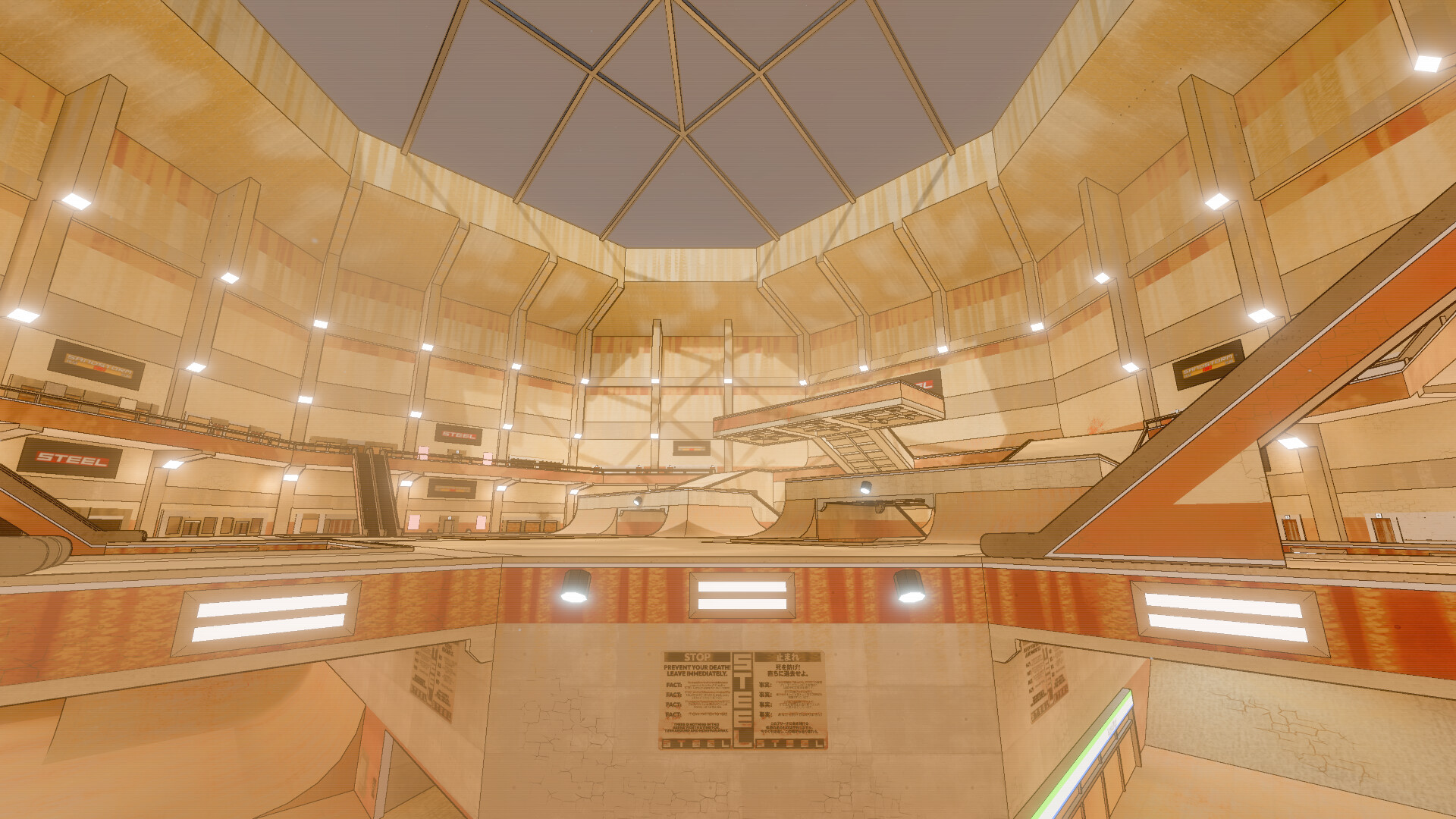
firestarters guide: First Storm Survival Basics
A practical firestarters guide to movement, weapons, resources and Story progression, with sourced beginner advice and clear limits on unverified details.
firestarters controls: Bindings and Input Checks
Check firestarters controls through current action bindings, dialogue prompts and movement practice, separating reviewer inputs from unverified default keys.
firestarters enemies: Android Threats and Priorities
Understand firestarters enemies through android encounters, target-selection practice and historical demo limits, without inventing an Early Access bestiary.