
firestarters episode 1 walkthrough: Story Progress
Use this firestarters episode 1 walkthrough for Story progression, Storm retries and Arcade unlocks, with sourced advice and unverified route details marked.
Source-backed research summary. Reviewer observations are attributed; unverified details are marked pending confirmation.
On this page
What this walkthrough can confirm
Play Episode One through Story Mode, finish each available Storm, and use unlocked Arcade replays to practise; a verified room-by-room route is not yet available. This is a progression guide rather than an invented sequence of switches, enemy spawns or boss phases. Exact stage order remains pending confirmation (待确认).
The Early Access statement on Steam identifies Episode One as the initial release, containing the opening Story content and unlockable Arcade play. It does not publish a complete mission checklist. Do not read a plan for later episodes as evidence of content already playable today.
Before the first fight
Read the current tutorial prompts and check that you can perform the actions they request. If a prompt fails to advance, confirm the action label and binding before trying unrelated keys. The controls page distinguishes reported reviewer inputs from a verified default layout.
Give yourself a simple goal for the opening encounter: understand the route and return to targets without losing orientation. Avoid changing every input setting after a single mistake. A repeatable route will make later weapon and timing decisions easier to evaluate.
Work through an encounter deliberately
For each attempt, identify what the game is asking you to complete before focusing on optional score improvements. Observe which movement path keeps targets accessible and which turns make you lose track of the arena. This is general practice advice, not a claimed reconstruction of Episode One's spawn script.
The Softpedia preview reports repeated attempts under time pressure and recommends learning enemy locations through repetition. That supports treating retries as part of learning, but does not establish a universal completion time. If your route fails, change one section and compare the result rather than assuming a hidden item is required.
Review choices between attempts
The Wand preview reports between-wave opportunities to add weapons, improve health or armor capacity, and reduce movement-ability cooldowns. Read the current purchase descriptions and connect each choice to a problem from the preceding fight. Without verified costs and availability, a universal shopping order would be misleading.
Pending confirmation (待确认): a complete Episode One upgrade list, encounter order, and any final-battle script. Do not import a demo purchase timer or demo arena count into the paid release. The absence of those details here reflects the available evidence, not proof that a feature is missing.
After completing a Storm
The official store page says completing a Storm in Story opens its Arcade version. Use Arcade Mode to revisit familiar encounters while keeping story progression and score improvement as separate goals. If you need movement practice first, return to the beginner guide.
The developer currently plans four episodes and estimates an Early Access period of roughly eighteen to twenty-four months. These are development intentions, not confirmed release dates for the next chapter. This walkthrough will need a new evidence pass before adding later-episode instructions.
Story interruptions are not encounter objectives
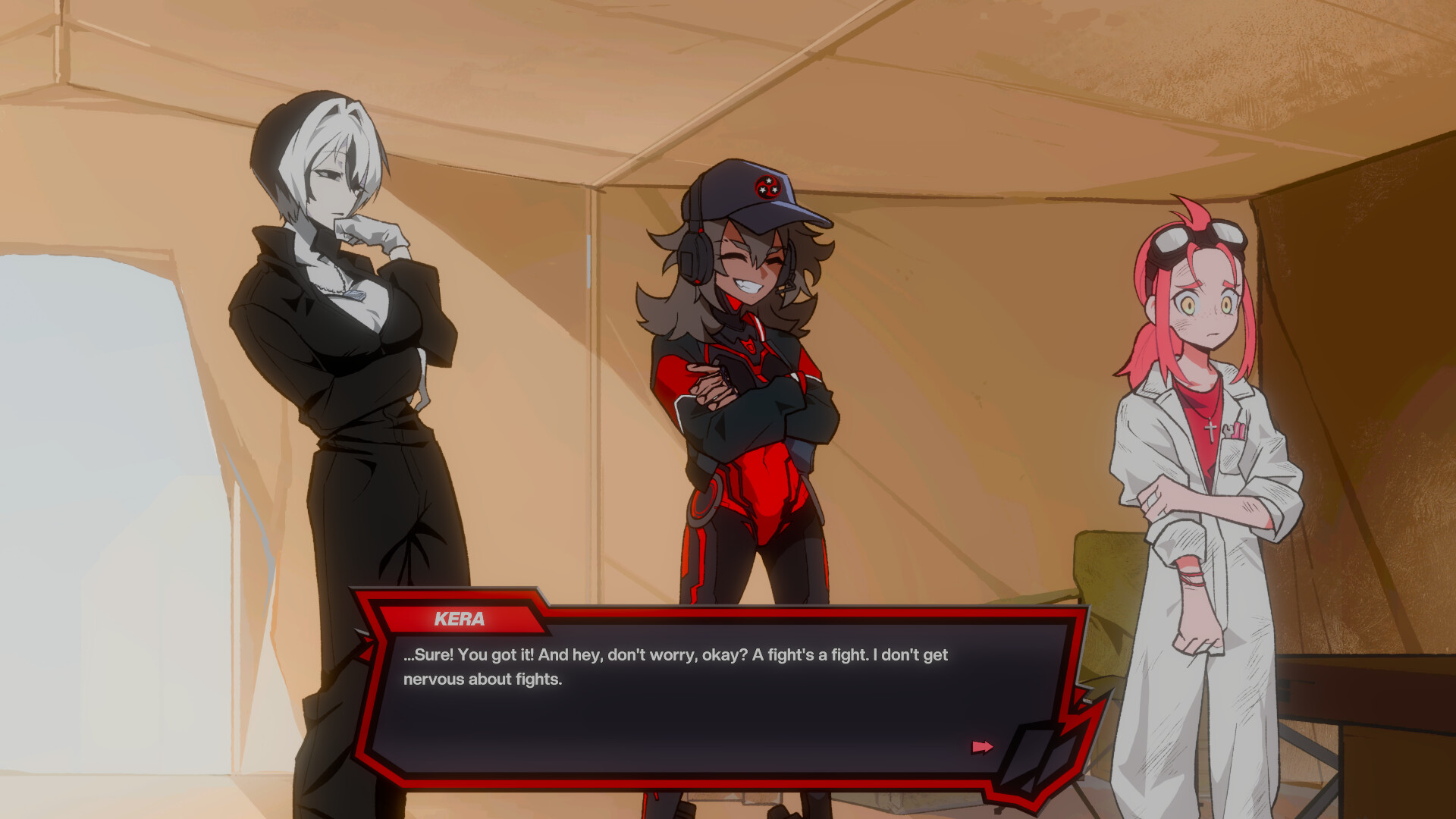
A dialogue prompt, a tutorial acknowledgement and an active combat objective are different parts of progression. The November 3 Wand preview reports frequent Story dialogue and tutorial messages, including the reviewer's use of F to advance them. That is useful context when a section appears to pause, but it does not make F a universal default or prove every visible notification must be dismissed.
Read the action requested on screen before treating a pause as a missed route step. If your goal is to check progression, note whether a command advances the conversation or actually starts the encounter. This avoids inventing a navigation instruction to solve what may simply be an unacknowledged message.
Apply corrections in the right version context
The October 28 developer patch fixes a crash with Russian enabled and incorrect visual-novel text wrapping in ultrawide configurations. If your problem matches one of those symptoms, an old preview complaint is not sufficient evidence that the problem remains unchanged. Check whether the installed game includes the fix before using the complaint as a current workaround guide.
The developer's demo notice says the old demo no longer represented the quality of the Early Access release and would be delisted at launch. That gives a concrete reason to avoid merging a February route with October Story instructions. Historical material can still document development, but a complete Episode One walkthrough needs current stage evidence.
If a round ends while you still seem able to fight
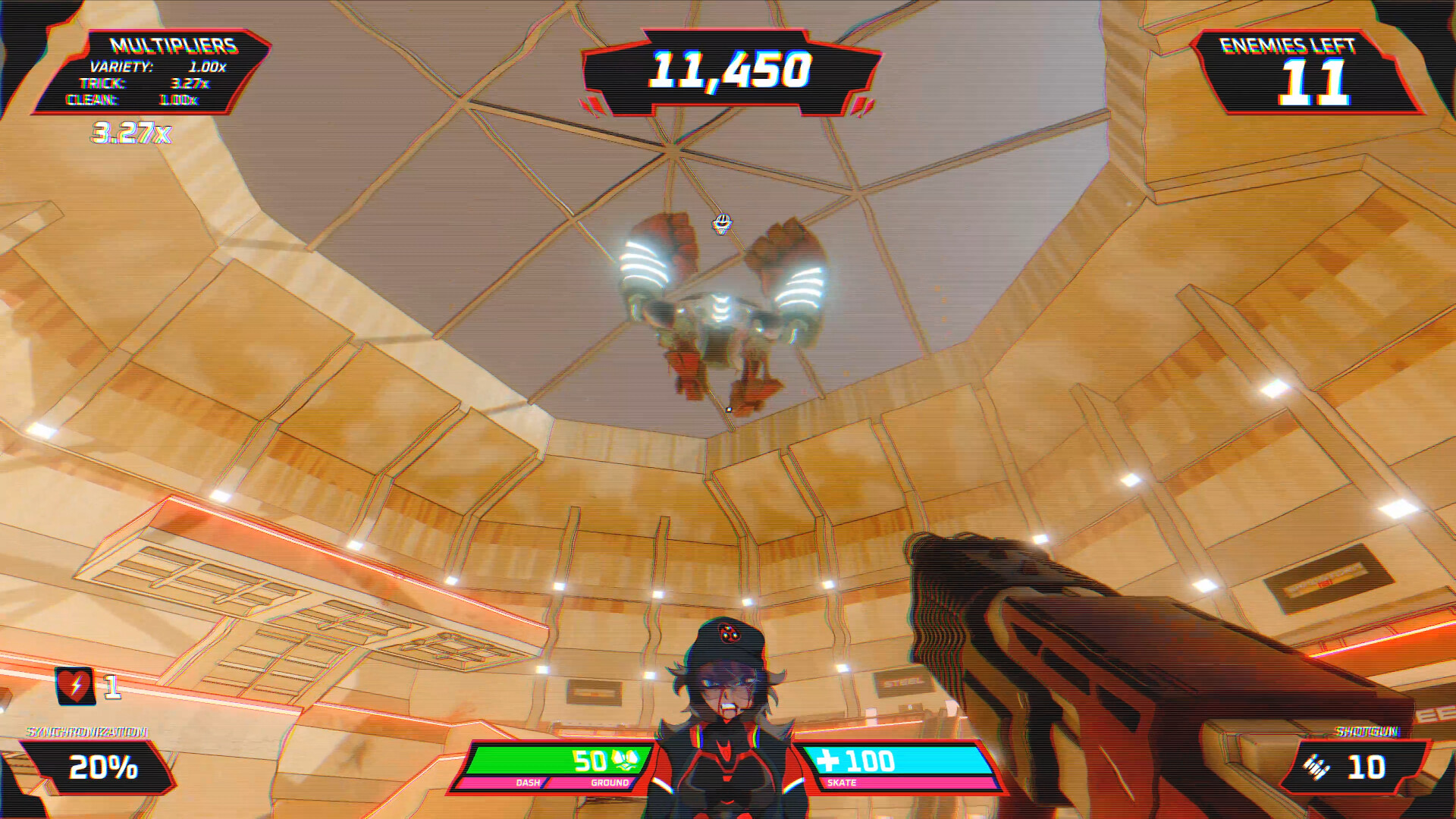
The Wand hands-on report describes a falling score once fighting begins, raised by kills and slowed in its decline by grinding. In the reviewer's account, reaching zero ends the round. That gives a possible explanation for an attempt ending despite apparent remaining health, but you should still compare it with your actual end-of-round message.
On a retry, watch the display at the point where you stopped making progress. Ask whether you were travelling toward an identified target or searching without a plan. This is a more specific learning question than assuming that the episode requires a hidden key or an undocumented encounter trigger.
No source here establishes a complete failure-condition table for every Storm. Do not turn a reviewer observation into an invented equation, fixed time limit or universal rule for all future updates. Use it to identify what needs observing in your installed game, then record the stage and build before drawing a broader conclusion.
Related pages
firestarters arcade mode: Unlocks and Score Runs
Explore firestarters arcade mode, how Story Storms unlock score attacks, what the leaderboards track, and which scoring details still need confirmation.
firestarters guide: First Storm Survival Basics
A practical firestarters guide to movement, weapons, resources and Story progression, with sourced beginner advice and clear limits on unverified details.
firestarters controls: Bindings and Input Checks
Check firestarters controls through current action bindings, dialogue prompts and movement practice, separating reviewer inputs from unverified default keys.