
firestarters guide: First Storm Survival Basics
A practical firestarters guide to movement, weapons, resources and Story progression, with sourced beginner advice and clear limits on unverified details.
Source-backed research summary. Reviewer observations are attributed; unverified details are marked pending confirmation.
On this page
- Start with a clear first goal
- Learn the arena before chasing speed
- Treat attacks as part of survival
- Change one decision on each retry
- Separate a clear from a score run
- Read the interface with a purpose
- Do not let a demo checklist set your expectations
- Understand what kind of campaign you are starting
- Spend upgrades on an identified limitation
- Know when a technical issue needs a different check
- Understand the reported time pressure
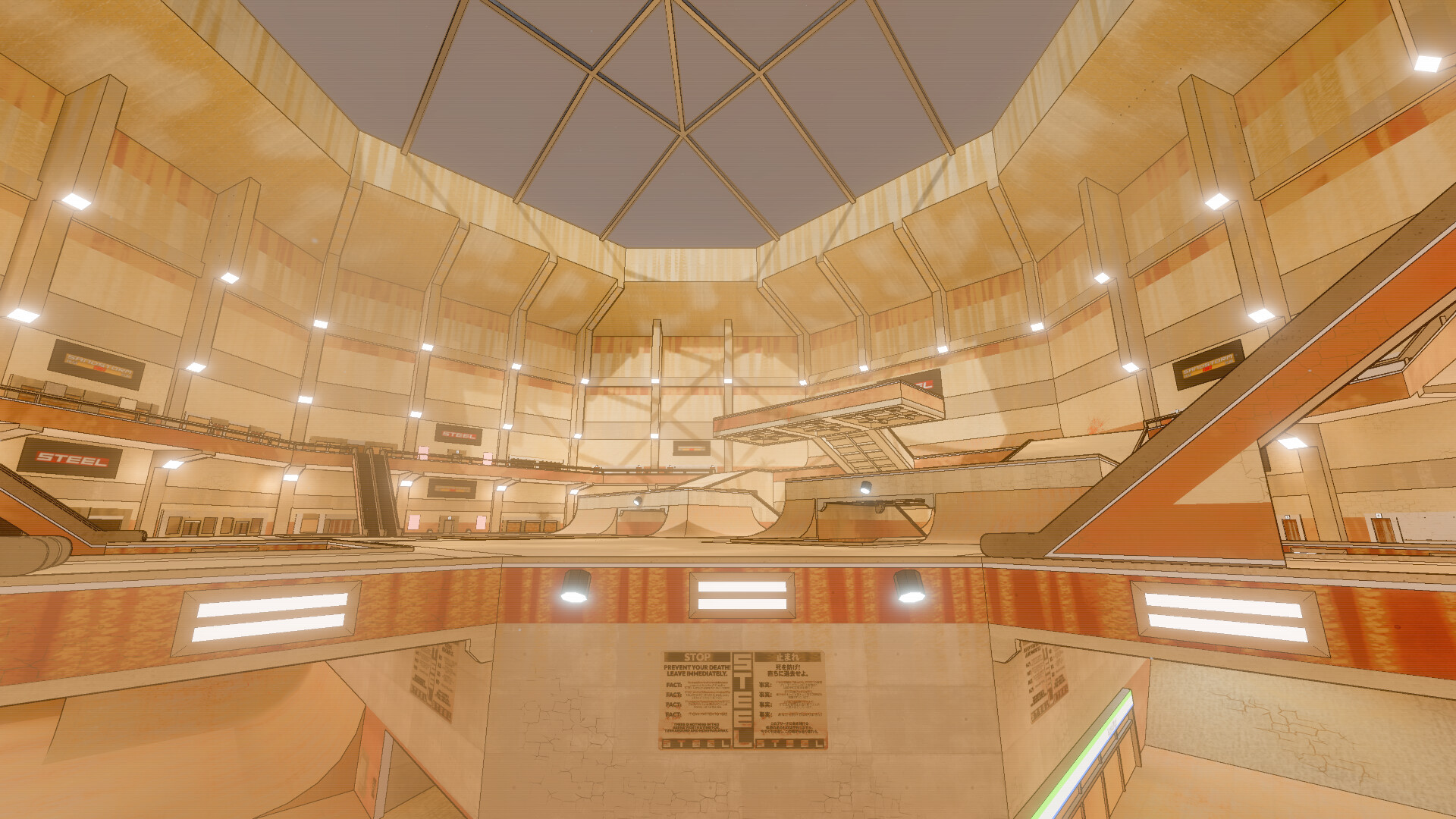
Start with a clear first goal
Start with Story Mode, learn movement while attacking, and use the tutorial to understand how combat sustains your resources. Treat your first clear as a learning run rather than a leaderboard attempt. This guide separates launch information from suggested practice; it does not claim firsthand play.
Learn the arena before chasing speed
A useful first exercise is to identify an open route that returns you to the fight without repeatedly turning into a wall. Add one movement action at a time, and check whether you can still locate your next target after using it. Speed that leaves you disoriented is less helpful than a route you can repeat deliberately.
The official description names skating, sliding, grinding and ground pounding as parts of Kera's movement toolkit. Learn where those actions are bound in your installed build before combining them. The movement guide explains a practice sequence without inventing movement timings.
Treat attacks as part of survival
The Steam page says the arenas lack conventional health, armor and ammunition pickups, with resources earned through combat instead. That makes a search for a familiar health-pack route the wrong starting assumption. Read each weapon's tutorial and watch your resource indicators before deciding which action to repeat.
Do not interpret this as a promise that every hit restores everything. Exact recovery triggers and amounts are still pending confirmation (待确认). If one resource is repeatedly exhausted, review the relevant tutorial instruction rather than assuming the resource system is broken.
Change one decision on each retry
In his October 30 preview, Cosmin Vasile reports needing repeated attempts to complete encounters within their time pressure. Use that observation as permission to learn a route rather than as a difficulty guarantee for every player. After a failed attempt, choose one identifiable problem: travel time, missed shots, poor awareness, or an unfamiliar input.
Practice the same section with that problem in mind before changing your entire approach. If you alter your route, weapon choice and input layout together, you cannot easily tell which change helped. This is a learning recommendation, not a verified optimal build.
Separate a clear from a score run
Finishing a Story Storm unlocks its Arcade replay, according to the developer's store description. Once you know a route, revisit it through Arcade Mode and compare your own attempts. Use the score guide when you want to study scoring rather than basic survival.
Pending confirmation (待确认): exact recovery values, a complete input chart, and an optimal upgrade order. Early Access mechanics can change, so current in-game descriptions take priority over an old demo tip. Keep notes of the build and the specific situation when checking a disputed mechanic.
Read the interface with a purpose
Before another attempt, decide which indicator you most need to understand. If a run ends while you are looking away from combat, separate learning that display from trying a new route. You do not need to memorise every interface element at once to ask a useful question about the next failure.
For example, write down whether you lost track of an enemy, misunderstood an instruction, or could not perform a requested action. Those observations point to different next steps: route practice, rereading the prompt, or checking a binding. They are more actionable than describing the whole game as too fast, and they avoid inventing a mechanic to explain an event you have not identified.
Do not let a demo checklist set your expectations
An older video can help you recognise the game's style without proving its current content list. The February demo purchase changes, for example, belong to a different release context from the October Early Access launch. Before following a guide that promises a precise timer or upgrade sequence, check its date and whether the author identifies the build.
A useful beginner note records what you actually saw and what remains a question. Keep a claimed resource effect separate from a guess about why it occurred. That distinction makes later corrections much easier when a developer explanation or a new patch becomes available.
Understand what kind of campaign you are starting
FIRESTARTERS combines an arena shooter with visual-novel scenes, so a quiet conversation screen and an active combat arena ask for different attention. The store's story introduction places Kera in the Firestarters team of prisoners, fighting in the Japanese spectacle STEEL. Understanding that framing can make the transitions less surprising, but it does not reveal a hidden combat objective or a shortcut past an encounter.
If your immediate goal is learning the action, distinguish that goal from evaluating the story's pacing. A player can enjoy the dialogue and still need separate time to practise movement. Conversely, a player interested mainly in score improvement can work toward the unlocked replay mode without treating a preference about narrative length as a mechanical failure.
Spend upgrades on an identified limitation
The November 3 Wand preview describes a between-wave opportunity to add weapons, increase health or armor capacity, or reduce movement-ability cooldowns. This is a reported observation of the review build, not an independently measured shopping chart. Exact prices, availability and effect sizes should be read in your current purchase interface.
Before selecting an upgrade, finish the sentence “my last attempt failed because…” with a concrete observation. If you repeatedly failed to reach a target, a larger reserve may not answer the same question as a change to movement use. If you are unsure what happened, another observation-focused attempt may teach you more than copying someone else's preferred purchase order.
Know when a technical issue needs a different check
A failure to start the game is not a problem that an arena route can solve. The October 31 patch fixes an audio-device initialization crash as well as a rebinding issue, so verify your update state when checking those symptoms. For hardware compatibility, consult the system requirements rather than inferring performance from a reviewer's successful session.
Keep technical notes separate from combat notes. Record a startup error as an error, and a missed input as the specific action that failed. This leaves you with a practical next step instead of attributing every difficulty to the same cause.
Understand the reported time pressure
Phil Iwaniuk's November 3 hands-on report describes a score that begins falling after combat starts, with kills increasing it and grinding slowing the decline. In his account, allowing it to reach zero ends the round. Treat this as an observation of the reviewed build, not an exact scoring formula or proof of identical rules in every possible mode.
For a beginner, the practical implication is that staying alive while spending a long time searching can still leave the attempt in trouble. If an attempt ends unexpectedly, check both the resource situation and the objective or score display rather than assuming you only ran out of health. Note what the game actually says when the round ends.
This also explains why simply adding more speed may fail to help. Fast travel in the wrong direction can increase the time before your next useful action. A clear next target and a route you can reproduce are more informative early goals than trying to imitate an elaborate clip without understanding where it leads.
Related pages
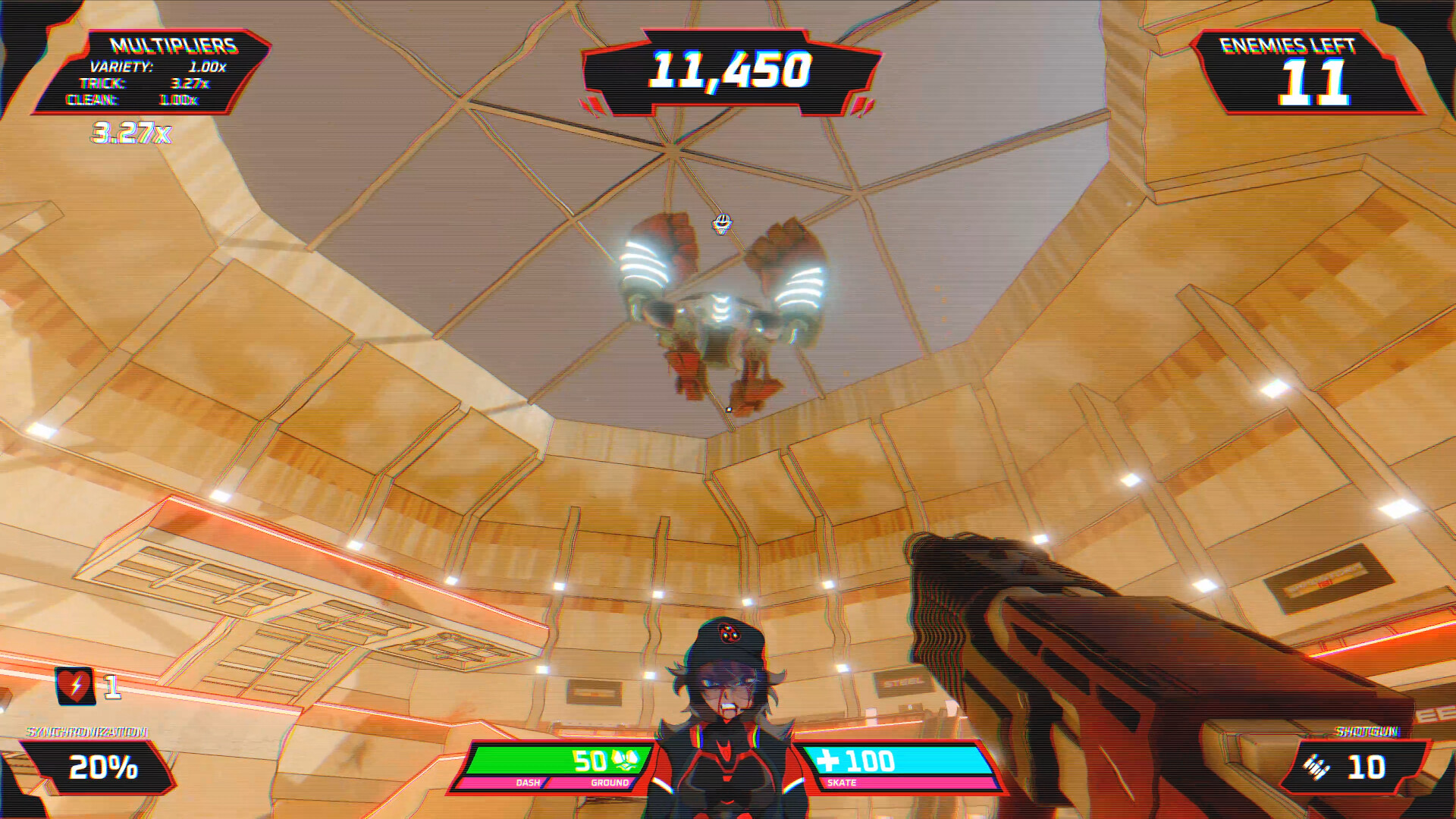
firestarters arcade mode: Unlocks and Score Runs
Explore firestarters arcade mode, how Story Storms unlock score attacks, what the leaderboards track, and which scoring details still need confirmation.
firestarters controls: Bindings and Input Checks
Check firestarters controls through current action bindings, dialogue prompts and movement practice, separating reviewer inputs from unverified default keys.
firestarters enemies: Android Threats and Priorities
Understand firestarters enemies through android encounters, target-selection practice and historical demo limits, without inventing an Early Access bestiary.